

By GardeningNews.co.uk – 26.2.26
New research reveals just how much UK gardeners depend on insects they rarely notice – and why 2025’s bug boom may be a turning point
After years of alarming headlines about collapsing insect populations, scientists are allowing themselves a moment of cautious optimism. This summer brought swarms of ladybirds, a bumper season for butterflies, and a wasp population large enough to make the national news. For researchers who have spent years documenting decline, it felt like a significant moment.
But the data behind that cautious cheer makes for sobering reading. The UK has lost a third of its wild pollinating insects since 1980 and is ranked among the most nature-depleted countries in the developed world. A Royal Society study published this year found that in more urbanised areas, pollinator diversity has dropped by over 40%, with moths and hoverflies – two of the garden’s most valuable workers – showing the steepest falls.
For gardeners, the stakes could not be higher.
The bees: worth £690 million and counting
No insect is more important to the productive garden than the bee. Apples, plums, cherries, strawberries, raspberries, and blackberries all depend on bee pollination to set fruit. The UK Soil Association puts the value of that work at £690 million in crop production every year. Research from the University of Reading has found that where pollination drops, production follows – driving up prices for growers and consumers alike.
The RHS updated its Plants for Pollinators lists in July 2025 following a three-year scientific review, giving gardeners an evidence-based guide to the best plants for bees across every season. The message from scientists is consistent: gardens collectively cover a larger area than all of Britain’s nature reserves combined, making them a critical lifeline for bees whose geographic range has shrunk by a quarter since 1980.
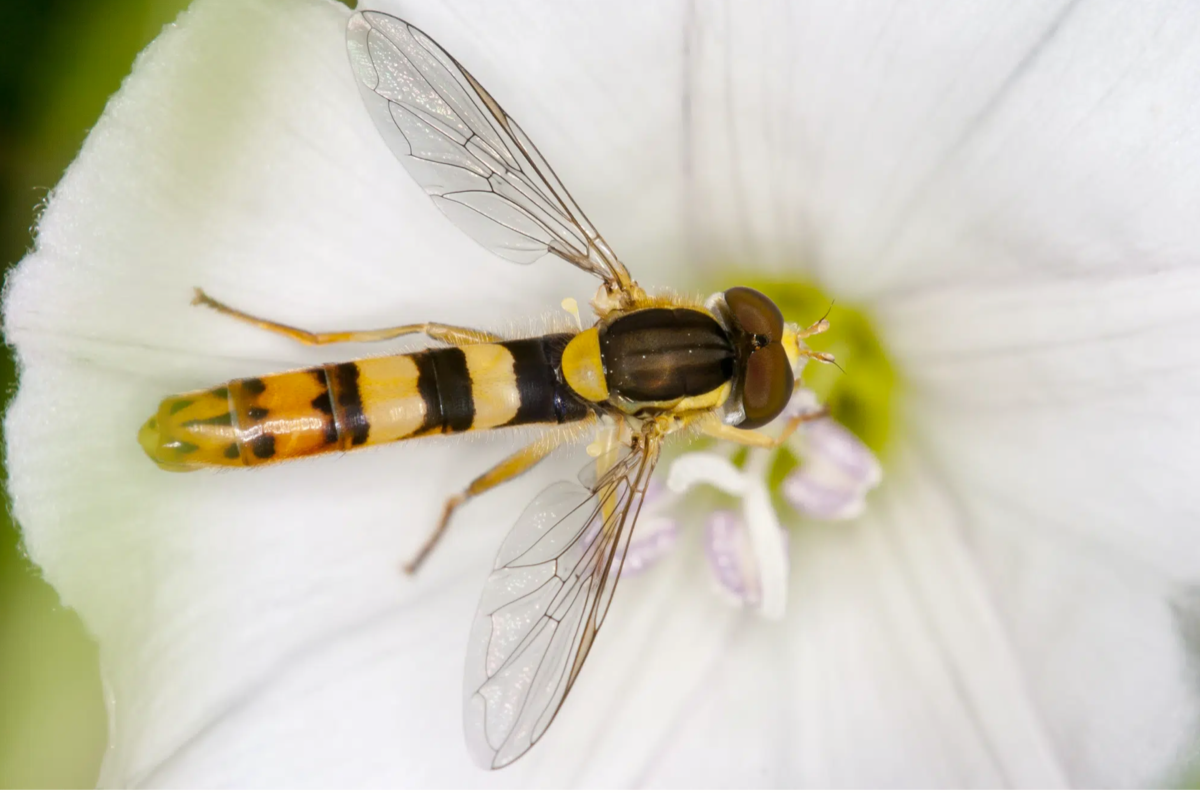
The hoverfly: the garden’s unsung hero
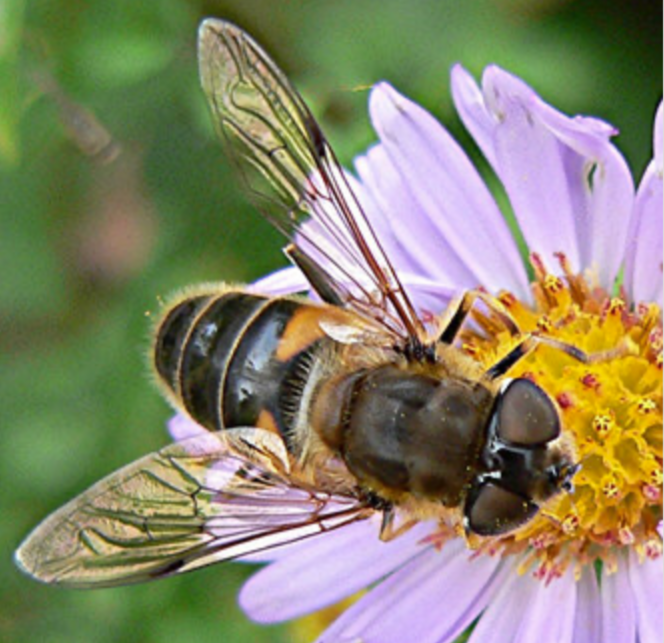
If bees are the headline act, hoverflies are the support act that nobody talks about – and scientists say that has to change. Hundreds of species are found across the UK, and around a third of them spend their larval stage doing something extraordinarily useful: working their way methodically through colonies of aphids. Adults, meanwhile, are highly effective pollinators in their own right, visiting many of the same flowers as bees.
The 2025 Royal Society allotment study, which surveyed sites across Sheffield, Leeds, and Leicester, found hoverfly numbers among the worst affected in built-up areas – a finding researchers described as particularly concerning given how little public attention the species receives compared to bees.
Ladybirds: nature’s pest control
This summer’s ladybird swarms delighted the public, but for gardeners they represent something more practical: free, highly effective pest control. Both adults and larvae feed on aphids, with some larvae consuming up to 100 a day. The RHS confirms they also target scale insects, making them valuable allies for anyone growing fruit trees or ornamentals.
The wasps we love to hate
Wasps remain one of the most misunderstood insects in Britain. Writing in 2025, leading entomologist Professor Seirian Sumner issued a direct challenge to the public’s instinct to swat them away. If wasps were to disappear, she warned, many insect pest species would boom unchecked across our gardens and fields. Scientists who study them argue we should value wasps as much as we do bees – a reputational rehabilitation that still has some way to go.
The invisible army
Some of the garden’s most effective allies are all but invisible. Parasitic wasps – of which there are over 6,500 species in the British Isles – lay their eggs inside the caterpillars of cabbage white butterflies, one of the most destructive pests for anyone growing brassicas. Green lacewings, recognisable by their translucent wings, can clear 200 aphids in a single week. Ground beetles, hunting through leaf litter and compost heaps after dark, seek out vine weevil larvae – one of the most damaging soil pests for container plants.
None of these creatures make the news. Most gardeners would struggle to name them. Yet without them, kitchen gardens across the country would look very different.
Moths: the night shift
Britain’s moths are rarely celebrated, but researchers at the UK Centre for Ecology & Hydrology have been making the case for their importance with increasing urgency. Blue tits alone are estimated to consume 50 billion moth caterpillars each year across Britain and Ireland, making them a cornerstone of the food chain for birds, bats, and other wildlife. Many moth species are also effective night-time pollinators, covering flowers that daytime insects miss entirely.
What gardeners can do
The science points consistently in one direction. The RHS’s landmark Plants for Bugs project found that increasing plant diversity – particularly favouring native and near-native species – does more for beneficial insects than almost any other single action. Researchers at the University of Reading echo the finding: providing food sources and nesting habitats in private gardens can make a meaningful difference, but individual action needs to be matched by policy change if Britain’s insect populations are to genuinely recover.
For now, those ladybird swarms and busy hoverflies offer a small but real reason for hope – and a reminder of what gardens can support when conditions are right.