

Millions of Britons want to get into gardening but are being held back by cost, lack of space, and a confidence gap. Experts say the solutions are simpler than many think.
A surge of interest in growing your own food and tending green spaces since the pandemic has not translated into action for many would-be gardeners, with a range of practical and psychological barriers keeping first-timers on the sidelines.
The Space Problem
With around 20% of UK households living in flats and countless renters restricted by tenancy agreements, access to outdoor growing space remains the single biggest obstacle. Council allotment waiting lists in cities like London, Bristol, and Manchester can stretch beyond a decade.
However, community growing projects are expanding rapidly across the country. Organisations such as Incredible Edible and the Royal Horticultural Society’s community garden network are opening up plots to complete beginners. For those without any outdoor space, container gardening on windowsills and balconies has proven surprisingly productive – tomatoes, herbs, salad leaves, and even dwarf beans can all be grown in pots.
The Cost Barrier
A basic toolkit and initial supplies can cost upwards of £100, a figure that deters many on tighter budgets. Seed swapping events, increasingly popular in village halls and libraries across the UK, allow beginners to start growing for almost nothing. Charity shops regularly stock second-hand tools, and schemes run by councils and organisations like Groundwork provide subsidised starter kits to residents in lower-income areas.
The Knowledge Gap
Many potential gardeners report feeling overwhelmed – by Latin plant names, conflicting advice online, and a fear of “doing it wrong.” The RHS has responded by expanding its free online resources and beginner courses, while the BBC’s Gardeners’ World has refocused efforts on accessible, jargon-free content for newcomers. Local gardening clubs, found in almost every town and village, remain one of the most effective entry points, pairing beginners with experienced growers in an informal setting.
Weather and Wildlife
The UK’s unpredictable climate – late frosts, soggy summers, and a persistent slug problem – has long discouraged novices who lose their first crops without understanding why. Growing under cover with a basic cold frame or cloche, available for under £20, protects young plants through the most vulnerable stages. Beginner-friendly crops such as courgettes, runner beans, and radishes are robust enough to withstand most of what a British summer throws at them.
Time and Commitment Anxiety
The fear of plants dying during a holiday or a hectic week puts many people off before they begin. Low-maintenance growing methods, including self-watering containers and drought-tolerant plants, mean a garden can survive short periods of neglect. Many experienced growers advise starting with just two or three pots or a small, raised bed – limiting the commitment while building confidence.
Access for All
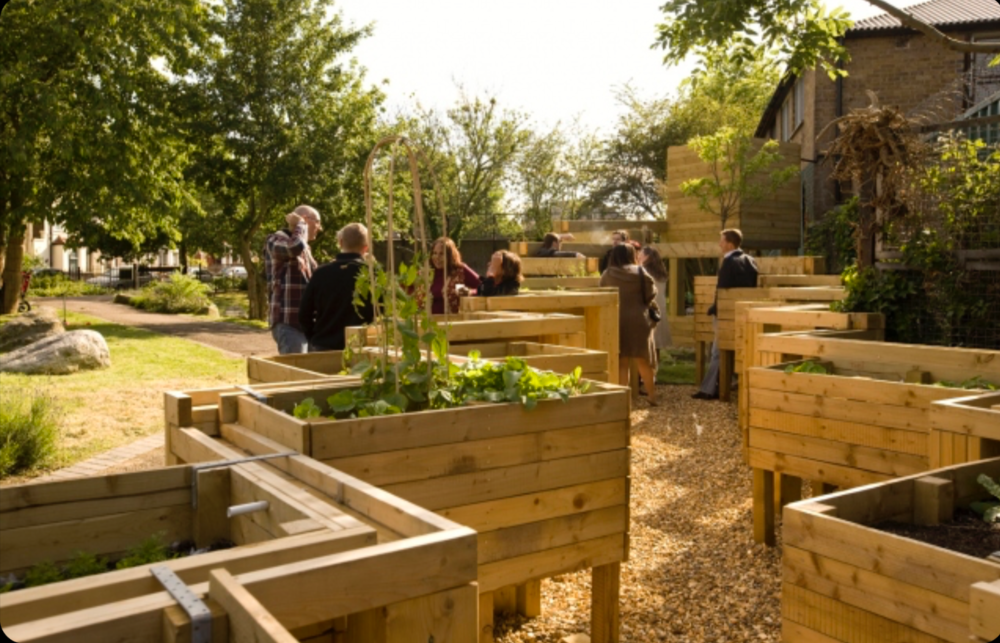
For older adults and those with physical disabilities, traditional gardening can appear demanding. Raised bed gardening, which eliminates the need to kneel or bend, has been widely adopted across care homes and disability charities, and can be built at home for as little as £30 using reclaimed timber.
Taken together, the barriers facing first-time gardeners are real but far from insurmountable. With the right entry point – whether a single pot of herbs on a kitchen windowsill or a shared allotment plot – most people can begin growing within days rather than months.
For more information on getting started, the RHS website at rhs.org.uk offers free beginner guides, and most councils can provide details of local allotment waiting lists and community growing schemes.