

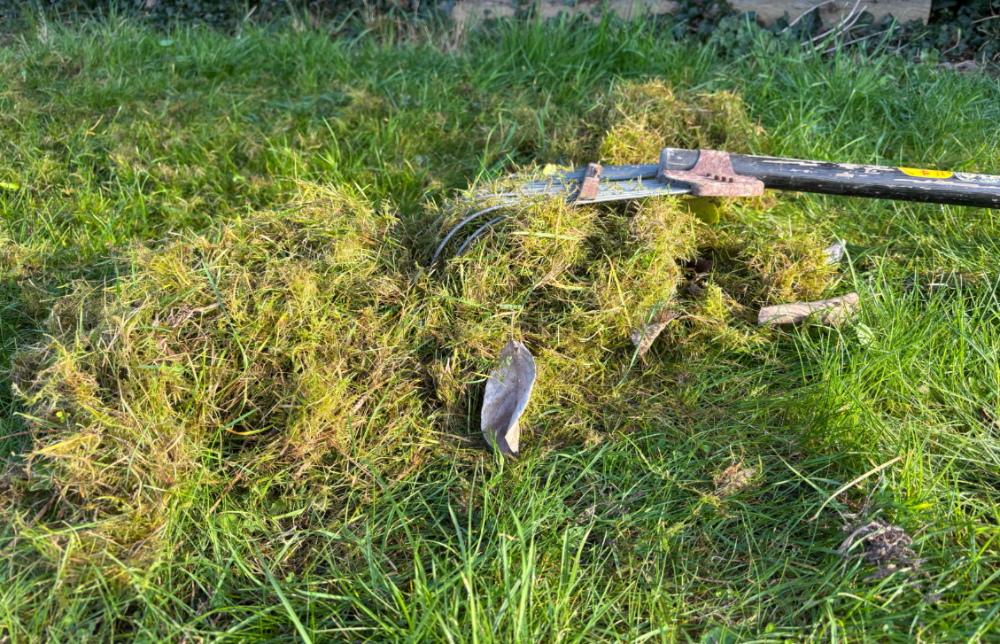
For many UK gardeners, Spring signals the start of lawn maintenance. After months of cold, damp weather, lawns often emerge from winter covered in moss, compacted debris and a layer of dead grass known as thatch.
This is where scarifying comes in – one of the most effective ways to restore a lawn and encourage vigorous, healthy growth.
While some gardeners rush to scarify as soon as March sunshine appears, timing matters. Understanding when and why to scarify can make the difference between a lawn that recovers quickly and one that struggles.
Is March the Best Time to Scarify a Lawn?
Not always.
Most lawn experts recommend spring and early autumn as the main scarifying seasons. In spring, the ideal window in the UK is usually April to May, when grass is actively growing and can recover quickly.
Scarifying can sometimes be done in late March, but only if conditions are right. Soil temperatures should typically reach around 10–12°C, and the lawn should already be growing strongly. Early March is usually too cold, and late frosts can damage freshly scarified turf.
The key rule is simple:
scarify during active growth, not dormancy.
What Scarifying Actually Does
Scarifying is sometimes described as “lawn dethatching.” The process uses a rake or mechanical scarifier with vertical blades that cut lightly into the turf and pull out:
- Moss
- Dead grass
- Organic debris
- Surface thatch
This material forms a dense mat that prevents water, oxygen and nutrients reaching the roots. Removing it helps the lawn breathe again and encourages stronger grass growth.
Although the lawn may look rough immediately after scarifying, the long-term results are almost always positive.
The Hidden Problem: Thatch
Thatch is the layer of dead stems, roots and clippings that accumulates between the soil surface and the living grass.
In small quantities it’s harmless – but when it becomes too thick it can cause several problems:
- Poor drainage and waterlogging
- Reduced nutrient absorption
- Increased moss growth
- Greater risk of lawn disease
Scarifying removes this build-up and restores a healthier balance between soil and grass roots.
Why Scarifying Leads to Better Lawns
Regular scarifying can dramatically improve lawn quality for several reasons.
- Better Air Circulation
Grass roots need oxygen. When thatch and moss accumulate, airflow to the soil is restricted. Scarifying opens up the surface and improves soil aeration.
- Improved Water Penetration
Instead of sitting on top of the lawn, rainwater can soak down to the root zone where it’s needed most.
- Stronger Grass Growth
By removing competition from moss and dead material, new grass shoots have more room to develop.
- Reduced Moss Problems
Moss thrives in compacted, poorly drained lawns. Scarifying disrupts these conditions and helps grass outcompete moss naturally.
- A Thicker, Greener Lawn
Once the lawn is opened up, it becomes much easier to overseed, fertilise or top-dress – all of which contribute to denser turf.
When and How Often to Scarify
For most UK lawns, scarifying once a year is enough. Lawns prone to heavy moss or thatch may benefit from a light scarification twice a year – typically in spring and again in early autumn.
A good spring lawn routine often looks like this:
- First mow of the season
- Light scarification
- Aeration if needed
- Overseeding bare patches
- Apply spring lawn feed
Within a few weeks, the lawn usually rebounds with noticeably stronger growth.
A Short-Term Mess for a Long-Term Gain
One reason some gardeners avoid scarifying is the shock of seeing their lawn afterwards. The process can leave the grass looking thin and patchy for a short time.
But this is completely normal.
In fact, the piles of moss and debris collected afterwards are proof that the lawn has been cleared of the material that was holding it back.
Given the UK’s damp winters – which encourage moss and organic build-up – scarifying remains one of the most valuable maintenance practices for maintaining healthy lawns.
In simple terms, a lawn that is scarified regularly is far more likely to stay thick, resilient and green throughout the growing season. 🌱