

By a Nature Correspondent, Gardening News
As autumn slips into winter, gardens across the UK quietly change role. What were once places of colour and scent become vital larders – refuges where birds build the energy reserves they need to survive the lean months ahead.
One of the most reliable ways to support garden birds isn’t through feeders alone, but by planting the right trees, shrubs and climbers. Berry-bearing plants, in particular, offer long-lasting, nutrient-rich food at exactly the moment birds need it most.
Wildlife gardeners have long known that if you plant berries, birds will follow. Red berries are especially popular, but pink, white and yellow fruits often hang on longer – becoming lifelines deep into winter, when food is scarce and migrating birds arrive hungry from colder regions.
With a little planning, it’s possible to create a garden that feeds birds continuously from late summer through to early spring. Here are five plants that consistently prove themselves indispensable.
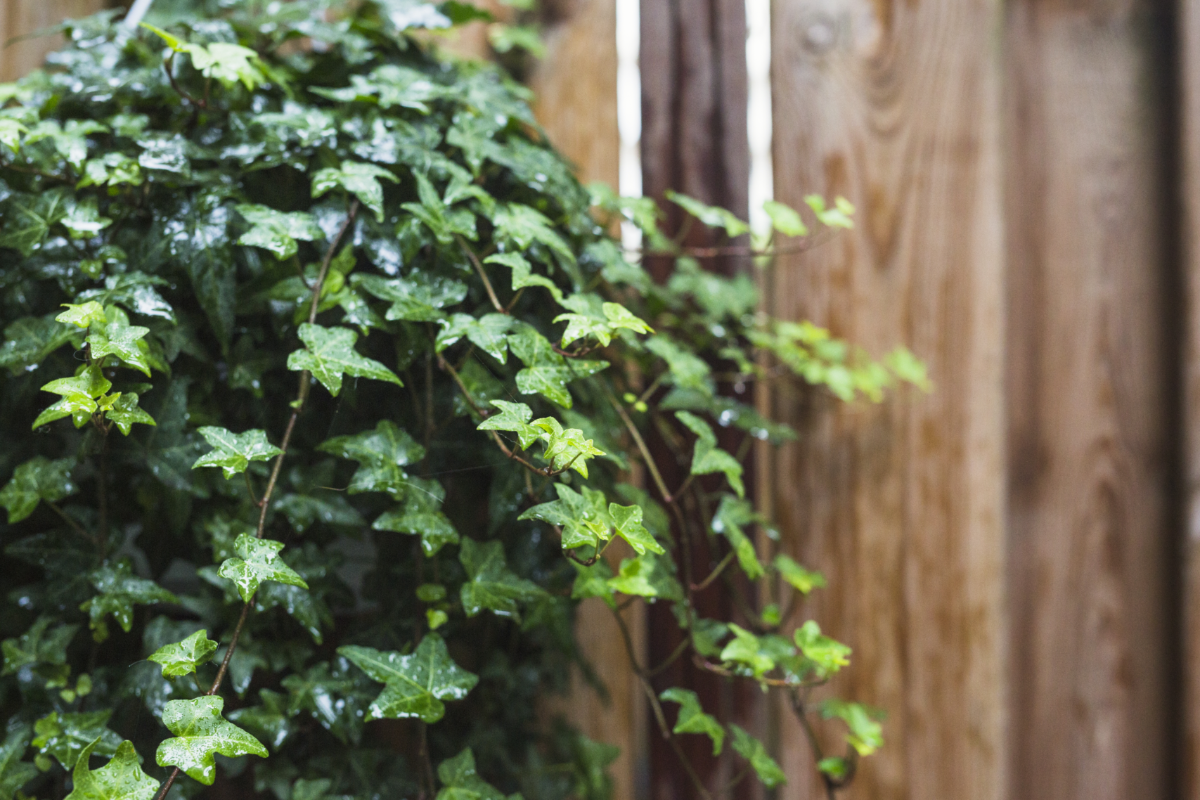
Ivy (Hedera helix)
Often misunderstood and unfairly maligned, ivy is one of the most important winter food sources for birds.
Its berries are rich in fat – precisely what birds need during cold weather – and they ripen gradually, often lasting well into spring. When other food sources are long gone, ivy quietly carries on.
Allow ivy to climb into the light and it will reward you with flowers in autumn and berries soon after.
Why it works:
Reliable, long-lasting fruit at the toughest time of year.
Growing notes:
Ivy thrives in sun or shade, copes with poor soil and stabilises difficult areas. Avoid permanently waterlogged ground and give it space to mature.
Hawthorn (Crataegus monogyna)
Few sights are more evocative of the British countryside than hawthorn heavy with red haws in autumn.
These berries are a cornerstone of winter diets for thrushes – blackbirds, song thrushes, redwings and fieldfares – with peak feeding from October through December. Hawthorn also earns its keep earlier in the year, providing nectar-rich blossom for insects.
Why it works:
High-volume fruit production that supports flocks, not just individuals.
Growing notes:
Happy in most soils and situations, hawthorn can be grown as a hedge or specimen tree. Plant bare-root plants between October and February, avoiding waterlogged sites.
Holly (Ilex aquifolium)
No winter garden feels quite complete without holly, and birds clearly agree.
Glossy evergreen leaves provide shelter, while the berries – on female plants – are eagerly taken by thrushes and wood pigeons once other supplies dwindle. It’s worth remembering that hollies are either male or female, so berries require pollination.
Why it works:
Evergreen structure plus late-season fruit.
Growing notes:
Hollies tolerate shade well and aren’t fussy about soil. If space is limited, choose a self-fertile variety such as ‘J.C. Van Tol’ to guarantee berries.
Rowan (Sorbus)
Rowans bridge the gap between summer and winter feeding.
Native rowan berries are often stripped early, sometimes by August, but many garden varieties – including pink- and yellow-berried forms – extend the season. These fruits are particularly valuable before winter migrants like redwings and fieldfares arrive in large numbers.
Why it works:
Early availability and wide appeal across species.
Growing notes:
Rowans thrive in sun or partial shade and prefer humus-rich soil. They require little pruning, and compact varieties are available for smaller gardens.
Bird Cherry (Prunus padus)
Less commonly planted, bird cherry deserves more attention.
Its small berries – ripening from deep red to glossy black – are accessible to smaller birds such as robins and blackcaps, as well as thrushes. This makes it a valuable addition for supporting a broader range of species.
Why it works:
Small fruit suits small birds.
Growing notes:
Best planted in autumn in full sun and fertile soil. Standard trees grow large, but compact cultivars are available for more modest spaces.
Why Attracting Birds Matters
Birds are not just welcome visitors – they are essential partners in a healthy garden ecosystem.
They provide natural pest control, consuming aphids, caterpillars, moth larvae, ants and even slugs. They help limit weed spread by eating seeds and contribute to pollination while feeding on nectar-rich flowers.
But beyond their practical value, birds bring life to winter gardens. Movement. Colour. Sound. A sense of continuity when much of the garden is resting.
A garden alive with birds offers one of the simplest, most rewarding ways to stay connected to nature through the colder months – and few things lift the spirits more than watching a winter feeding frenzy unfold outside your window.
Plant wisely, and your garden won’t just survive winter – it will sustain it.