

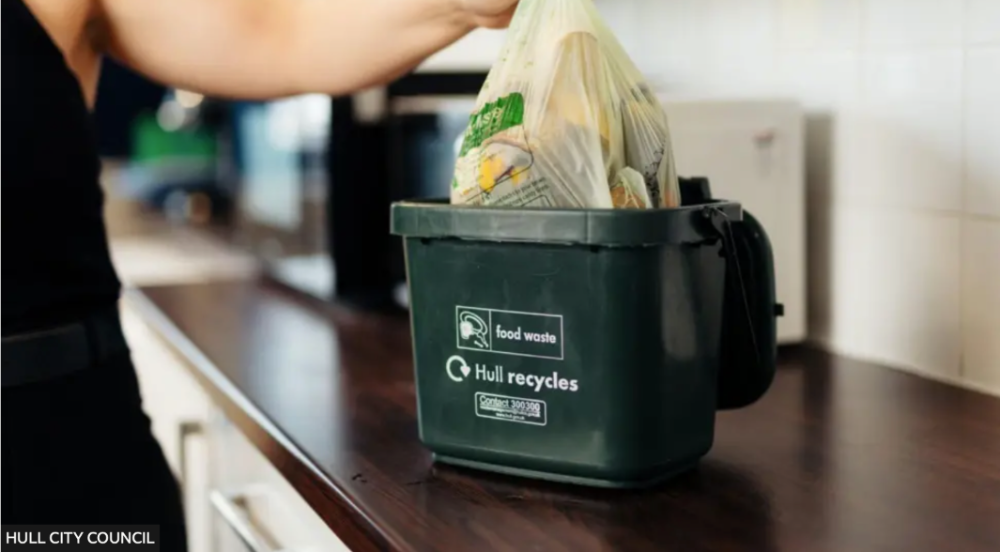
Local authorities across the UK are to begin collecting household food waste every week under a new government scheme — and gardeners could be among the biggest winners.
A significant proportion of the collected waste will be processed into peat-free compost, with community groups including allotment associations, school gardens, and horticultural projects set to receive supplies free of charge. The rest will go toward supporting agriculture.
For gardeners, the timing could hardly be better. The government has been pushing to phase out peat-based compost for years, citing the damage caused by peat extraction to carbon-storing bogs and wildlife habitats. The stumbling block has always been cost — quality peat-free alternatives have consistently been more expensive than traditional products. Municipally produced food-waste compost could change that overnight.
Experts say the compost produced from kitchen scraps — including vegetable peelings, fruit, coffee grounds, and cooked food — will be genuinely high quality, rich in nitrogen and organic matter capable of improving soil structure, water retention, and microbial health.
Community growing projects are expected to feel the benefit most keenly. Allotment societies and school gardening clubs routinely operate on shoestring budgets, and compost represents one of their most significant running costs.
But ordinary home gardeners stand to gain too. Bags of commercially produced compost have risen sharply in price in recent years, and free local supplies could make a real difference for those growing fruit and vegetables at home.
Campaigners have welcomed the announcement. The scheme, they say, finally closes the loop — taking food grown in soil, eaten in homes, and returning it to the land where it began.
Collection is expected to begin rolling out across local authorities in the coming months.