

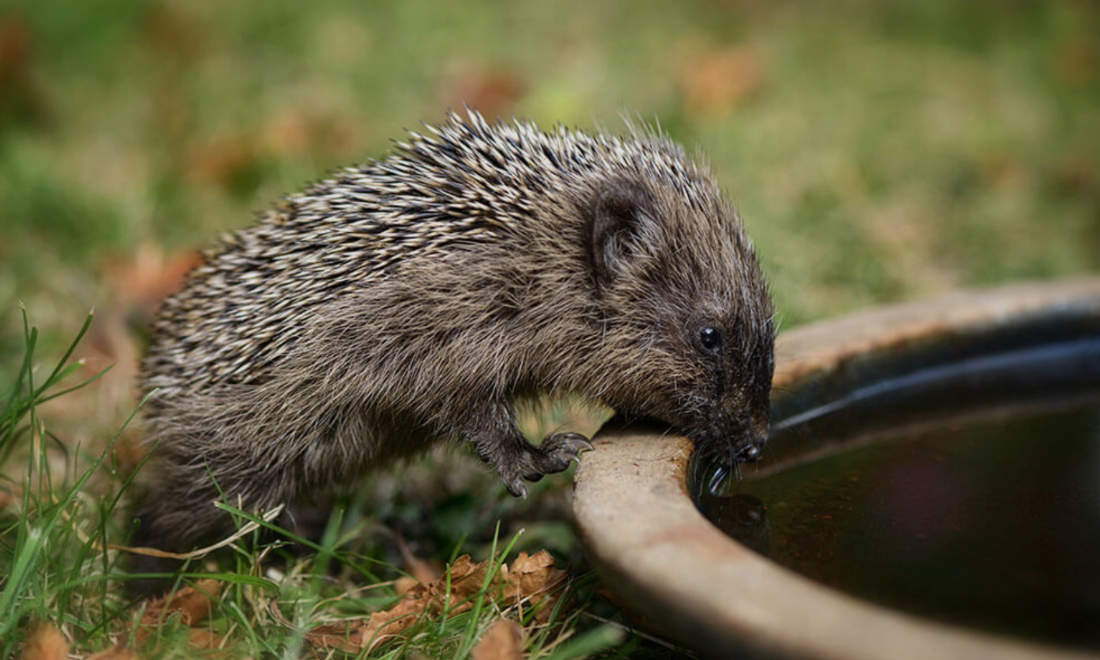
Gardeners can do far more than put out a bowl of food. If we want to reverse the decline of one of Britain’s best-loved mammals, we need to rethink how we garden, what we grow, the chemicals we use and the spaces we share.
There is something deeply unsettling about the possibility that a creature once so familiar in our gardens could become a rare sight. Yet that is the reality facing Britain’s hedgehogs, and the latest research suggests we should be taking the situation more seriously than ever.
A major study published in Ecology and Evolution in October 2026, drawing on five national datasets, estimates that hedgehog numbers in rural Britain fell by around 71% between 1981 and 2023. The number of rural survey areas where hedgehogs were recorded fell by around 80% between 2002 and 2023. Urban populations, by contrast, have shown some signs of recovery, with gardens potentially providing vital refuges. The message is stark: where we live and how we manage our land can make a difference.
The familiar advice is straightforward enough: make a hole in your fence, leave out some meaty cat food and provide a bowl of water. These are worthwhile actions. But they risk making hedgehog conservation sound like a simple exercise in hospitality, when the real problem is much bigger.
Hedgehogs need connected territory, natural food, safe places to nest and hibernate, and protection from the everyday hazards created by people. We cannot solve all of those problems from a back garden. But we can make our gardens part of a much bigger solution.
- Stop treating insects as garden pests
If there is one change gardeners should make, it is to stop thinking of every insect, slug or other invertebrate as something to eliminate.
Hedgehogs are not simply slug-eating machines. Their diet includes beetles, caterpillars, earthworms and other invertebrates. These are not optional extras; they are the natural food supply that helps hedgehogs survive, grow and reproduce.
Yet many conventional gardening practices work against that food supply. Broad-spectrum insecticides can kill beneficial insects alongside the pests they target. Slug pellets and other chemicals can introduce additional risks to wildlife, while repeated efforts to remove every untidy corner reduce the places where invertebrates live and feed.
The answer is not to abandon gardening or accept the destruction of every prized plant. It is to adopt a more balanced approach.
Avoid routine pesticide use. Tolerate a degree of leaf damage. Choose resistant plants where practical, encourage natural predators, and deal with serious pest problems through targeted, non-chemical methods. Accept that a healthy garden will contain creatures we do not particularly like.
A garden that produces immaculate leaves but supports very little wildlife may look successful to us. It is less successful as a functioning ecosystem.
- Grow a food web, not just a flower border
Planting nectar-rich flowers is a positive step, particularly for pollinators, but hedgehog conservation requires us to think beyond the plants themselves.
A wildlife-friendly garden needs a range of habitats: shrubs, ground cover, fallen leaves, decaying wood, healthy soil and plants that support insects throughout the year. Native plants can be especially valuable because many are associated with local wildlife, although a diverse mix of well-chosen garden plants can also contribute.
Leave some leaf litter beneath hedges and shrubs. Keep a log pile in a quiet corner. Allow a patch of grass to grow longer and let some plants set seed. Avoid digging or turning every area of soil simply because it looks untidy.
These small changes provide shelter and breeding places for invertebrates, while the resulting food web supports hedgehogs and many other species.
Compost heaps can also provide valuable habitat, but they must be managed carefully. Hedgehogs may nest in them, so check thoroughly before turning or moving material. Never plunge a garden fork into a compost heap without checking first.
The aim is not to make every garden look wild. It is to make sure that the wildlife in our gardens has somewhere to live, feed and hide.
- Connect gardens into a living landscape
The hedgehog highway has become the best-known symbol of hedgehog conservation, and rightly so. A gap of approximately 13cm by 13cm at the bottom of a fence or wall can allow hedgehogs to move between neighbouring gardens.
But a hole is only useful if there is somewhere safe to go when the animal reaches the other side.
Hedgehogs need to roam in search of food, mates and nesting sites. A collection of wildlife-friendly gardens separated by solid fences, busy roads and heavily managed spaces is not the same as a connected habitat.
This is where gardeners can achieve more by working together than by acting alone. Speak to neighbours about creating linked routes through adjoining gardens. Encourage local allotments, schools, community gardens and other green spaces to do the same. Where possible, retain or plant hedges and shrubs that provide shelter along these routes.
Think about what lies beyond the garden, too. A highway that leads straight to a busy road may expose hedgehogs to another danger rather than provide a safe passage.
Research published in 2026 by Nottingham Trent University and conservation partners found that road deaths can have devastating consequences for small, isolated hedgehog populations. In the populations studied, road traffic accounted for 38-41% of recorded deaths. The researchers highlighted the importance of larger habitats and connected populations, not simply isolated garden improvements. <escape>[2]</escape>
We cannot redesign the entire road network from our gardens, but we can support local wildlife groups, report dangerous stretches where appropriate and press councils to consider wildlife connectivity when planning roads, housing and green spaces.
- Make gardening safer, not just greener
Some of the greatest dangers to hedgehogs come from routine garden maintenance. They are particularly vulnerable because they are nocturnal, often shelter in concealed places and may curl into a ball rather than run away from danger.
Before strimming long grass, cutting back dense vegetation or clearing an overgrown corner, check carefully for animals. Take particular care around the base of hedges, beneath sheds and inside piles of leaves or vegetation.
Bonfires deserve special attention. A pile of garden waste can look like an ideal winter nest to a hedgehog. The safest approach is to build a bonfire on the day it will be lit. If a pile has already been assembled, dismantle it carefully and inspect it thoroughly immediately before lighting. Never use a fork to rummage through a pile where an animal may be sheltering.
Other hazards are easy to overlook. Store garden netting safely and remove discarded plastic, loose twine and litter that could entangle wildlife. Cover drains and deep holes where animals could become trapped. Make sure ponds have a gently sloping edge or escape ramp, and check that hedgehogs can get out of other water features.
Even a garden that is rich in wildlife can be dangerous if we fail to think about how we maintain it.
- Give wildlife space, not just a hedgehog house
Purpose-built hedgehog houses can provide useful shelter, but they are not a substitute for a healthy garden.
A hedgehog needs somewhere to nest during the breeding season, somewhere to rest during the day and a suitable place to hibernate. Dense vegetation, undisturbed corners, leaf litter and woody material can all help provide these opportunities.
If you install a hedgehog house, place it in a quiet, sheltered spot away from regular disturbance. Follow reputable guidance on its design and positioning, and resist the temptation to keep opening it to see whether it is occupied.
More importantly, stop tidying everything away in autumn. Fallen leaves, dead stems and decaying wood are not necessarily signs of neglect. They are part of the habitat that wildlife needs.
This may require a shift in gardening culture. We have spent decades being encouraged to clear, cut, trim and control. Perhaps the more useful question is not whether a garden looks perfectly maintained, but whether it offers the conditions wildlife needs to survive.
- Rethink the obsession with a perfect lawn
A closely mown lawn is not inherently bad for hedgehogs, and nobody needs to replace every lawn with a meadow. But a garden made up almost entirely of short grass, paving, artificial turf and ornamental gravel offers relatively little natural food or shelter.
Artificial grass is particularly unhelpful if it replaces a living habitat. It does not support the same soil life, plant growth and invertebrate communities as a natural lawn, and it can contribute to plastic pollution at the end of its life.
A practical compromise is to keep the lawn where it is useful, while leaving some sections longer, introducing ground-cover plants and creating planted borders or wildlife corners.
Where space is limited, a few square metres can still make a contribution. A small courtyard, balcony or paved garden can support plants and insects in containers, while a shared garden or allotment can provide more substantial habitat.
The important thing is to think about what each space contributes, rather than assuming wildlife gardening requires a large country garden.
- Feed hedgehogs responsibly – but do not mistake feeding for conservation
Putting out suitable food and fresh water can help, particularly during dry weather or when natural food is scarce. Meaty cat or dog food and specialist hedgehog food are commonly recommended. Fresh water should be available throughout the year, and feeding bowls should be cleaned regularly.
Avoid milk and bread, which are unsuitable for hedgehogs.
But feeding is a supplement, not a solution. It cannot replace a declining natural food supply, safe nesting places or connected habitat. Nor should it become an excuse to attract hedgehogs into gardens where they face other dangers.
If a hedgehog appears injured, weak or unusually active during daylight, seek advice from the British Hedgehog Preservation Society or a qualified wildlife rehabilitator. Do not assume every daytime sighting means an animal is in distress, but do take it seriously enough to ask for advice.
And never relocate a hedgehog simply because you would like one in your garden. Moving an animal can separate it from its territory or dependent young and expose it to unfamiliar dangers.
- Turn individual gardens into collective action
Perhaps the greatest opportunity is to stop treating hedgehog conservation as a collection of individual gardening tips and start thinking about what we can achieve together.
Imagine a street where every household has removed unnecessary pesticides, several gardens contain undisturbed wildlife corners, fences have been opened up and neighbours have agreed to check their garden tools before use. Extend that approach to a nearby allotment, school grounds, a churchyard or a community green space.
Now imagine those efforts being supported by local councils protecting hedgerows, maintaining connected green corridors and considering wildlife when approving new developments.
That is a much more meaningful prospect than a single hedgehog house at the bottom of one garden.
Gardeners can also contribute to conservation research by recording sightings and submitting observations to recognised wildlife monitoring schemes. Consistent records help researchers understand where hedgehogs remain, how populations change and where action may be most urgently needed. The British Hedgehog Preservation Society and People’s Trust for Endangered Species are good places to start.
We should be careful not to assume that seeing one hedgehog means a population is thriving. Equally, not seeing one does not prove that our efforts have failed. The benefits of creating a healthy garden ecosystem extend well beyond a single species, and some results take time to become visible.
The real question: what kind of gardener do we want to be?
Hedgehogs are an indicator of a wider problem. Their decline reflects changes in the way we use land, manage gardens, control pests and build our communities. The causes are too complex for gardeners to solve alone, but that is no reason to underestimate what we can achieve.
We can stop poisoning the food web. We can create places for insects and other invertebrates to thrive. We can leave corners undisturbed, reduce avoidable hazards and work with our neighbours to connect habitats. We can ask councils, developers and land managers to take wildlife seriously.
And we can challenge the idea that a good garden must be immaculate, weed-free and tightly controlled.
None of this means giving up on growing vegetables, cultivating beautiful borders or enjoying a tidy outdoor space. It means making room for nature alongside the things we grow for ourselves.
A hole in the fence is a good start. A bowl of water is a good start. But if we genuinely want future generations to encounter hedgehogs in their gardens, we need to build places where these animals can live, feed, breed and move safely.
The real measure of a hedgehog-friendly garden is not how much food we put out. It is how much life our garden can sustain.
Sources and further reading
- West European Hedgehog Decline in Great Britain: Evidence From Multiple National-Scale Surveys – Ecology and Evolution, published 8 October 2026.
- Smaller hedgehog populations risk collapse due to roadkill – Nottingham Trent University, 31 July 2026.
- The National Hedgehog Conservation Strategy – People’s Trust for Endangered Species and conservation partners.
- Hedgehog-friendly gardening – Royal Horticultural Society.
Gardening News is an independent gardening publication. Our aim is to encourage practical, informed action that benefits gardeners and the wildlife sharing their spaces.