

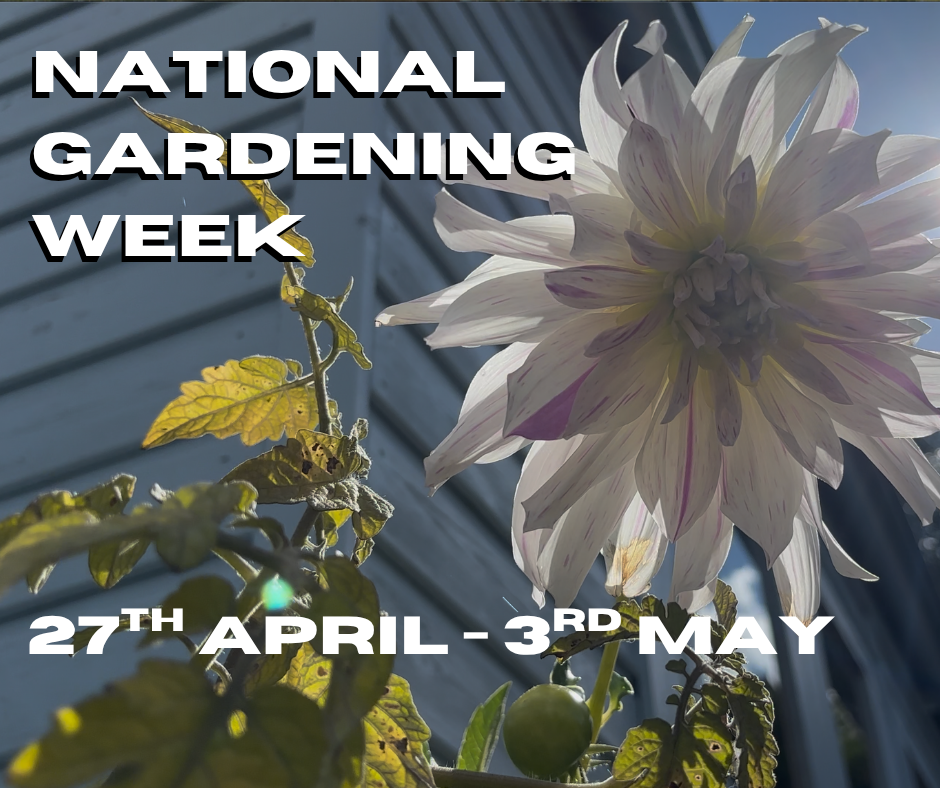
As National Gardening Week arrives on 27 April, the timing could not be better. Late April is when UK gardens truly wake up. Soil warms, growth accelerates and the growing season shifts from preparation to action. The Royal Horticultural Society highlights this as one of the busiest and most rewarding periods in the gardening calendar, with tasks spanning sowing, feeding, pruning and lawn care.
But this week is not just about productivity. It is about reconnecting with nature, supporting biodiversity and improving wellbeing through time spent outdoors.
What follows is a practical, inclusive guide to what matters most right now, wherever and however you garden.
Start with the soil, not the plants
If there is one job that underpins everything else, it is soil care. April is the moment to feed and protect it.
Adding compost, leaf mould or well-rotted manure improves structure and fertility while supporting worms and soil life. Avoid over digging. Let the soil ecosystem do the heavy lifting.
For smaller spaces like balconies and courtyards, this simply means refreshing pots with new compost or topping up with organic matter. Even a window box benefits from this reset.
This is also where sustainability begins. Composting kitchen scraps and garden waste closes the loop and reduces reliance on peat-based products.
Sow, plant and grow with confidence
Late April is one of the best times to get things growing.
You can sow hardy annual flowers, herbs and wildflowers directly outside now, along with quick growing vegetables like salads and herbs.
For beginners or those gardening in small spaces:
- Pots can support herbs, lettuce and even dwarf veg varieties
- Vertical growing works well for balconies
- Windowsills can start off tender crops indoors
For larger gardens and allotments:
- Prepare beds and sow in succession for continuous harvests
- Start thinking about companion planting and diversity rather than single crops
Wildflowers deserve a special mention. Even a small patch or container mix can provide nectar for pollinators and bring life into the space.
Stay on top of weeds, but rethink what that means
Yes, April is peak weed season. Keeping them under control now prevents bigger problems later.
But this is also a moment to challenge the idea of a perfectly tidy garden.
Leaving some areas slightly wild supports insects, birds and small mammals. In fact, UK gardens collectively provide vital habitat for wildlife, with many species depending on these spaces.
A more balanced approach:
- Remove aggressive weeds where they compete with crops
- Leave some flowering weeds like dandelions for pollinators
- Allow one “messy corner” to develop naturally
This is biodiversity in action, not neglect.
Give lawns a lighter touch
Lawns come back into growth in April, but heavy-handed treatment is not the goal.
Basic tasks like raking out moss, repairing bare patches and light mowing help recovery after winter.
But consider easing off the obsession with perfection:
- Let some areas grow longer for pollinators
- Try a no mow section or create a mini meadow
- Reduce chemical feeds in favour of natural methods
Even a small shift here can make a big ecological difference.
Care for plants already in place
April is also about supporting what you already have.
Tie in climbing plants, feed shrubs and roses, and keep an eye on watering as temperatures rise.
If you garden in containers:
- Increase watering gradually
- Start light feeding
- Repot overcrowded plants
For allotments and larger gardens:
- Protect blossom from late frosts
- Mulch beds to retain moisture
- Plan ahead for summer crops
This is less about adding more and more, and more about nurturing what is already growing.
Make space for wellbeing
This is the part many people overlook.
Gardening at this time of year is not just physical work. It is one of the simplest ways to improve mental wellbeing. National Gardening Week actively promotes gardening as a way to boost mood, reduce stress and reconnect with nature.
You do not need a large garden for this to count.
A few ideas that actually work:
- Spend 10 minutes a day outside with your plants
- Notice what is changing week to week
- Grow something edible and track its progress
- Create a small seating spot, even on a balcony
The act of tending something living is what matters.
In Summary
Whether you are working with a balcony, a courtyard, a small suburban garden or a full allotment, the principles are the same right now:
- Feed the soil
- Start growing
- Support wildlife
- Work with nature, not against it
National Gardening Week is a useful prompt, but the real opportunity is bigger. This is the moment where your garden sets its direction for the rest of the year.
If you get April right, everything else becomes easier.