

For generations, British gardeners have worked with one reassuring assumption – if the garden looked a little dry, rain would eventually come.
Increasingly, that confidence is being tested.
As another spell of hot, dry weather grips much of the UK, lawns have turned straw-coloured, flower borders are wilting and gardeners are once again reaching for watering cans and hoses. While sudden downpours still arrive, they are often intense and short-lived, with much of the water running off hard-baked ground before it can replenish the soil.
The changing pattern is prompting many gardeners to ask an important question: are our gardens still designed for Britain’s weather?
One answer is attracting growing interest among professional landscapers and home gardeners alike – xeriscaping.
Developed in drought-prone parts of the United States during the 1980s, xeriscaping is a method of gardening that dramatically reduces the need for irrigation. Rather than constantly replacing thirsty plants or relying on daily watering, it focuses on choosing species that naturally cope with dry conditions, improving soil health, conserving moisture with mulches and designing gardens that work with nature rather than against it.
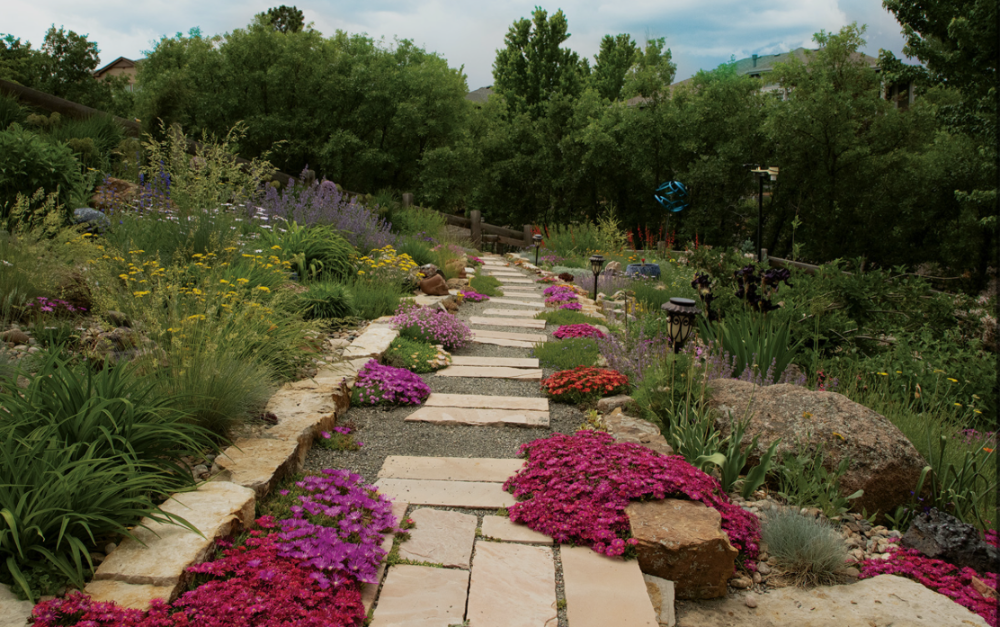
Despite the name, xeriscaping is not about creating a barren landscape of gravel and cacti. In Britain, it means creating vibrant, wildlife-friendly gardens that remain colourful through dry summers while using far less water.
The traditional image of the perfect British garden has long centred on a lush green lawn surrounded by bedding plants demanding constant attention. Yet keeping that picture-perfect appearance through increasingly hot summers can require hundreds of litres of treated drinking water.
Instead of battling the weather, many gardeners are beginning to adapt.
One of the attractions of xeriscaping is that it doesn’t require expensive or exotic plants. In fact, many of the best drought-tolerant species are already familiar favourites found in almost every garden centre.
Lavender remains one of Britain’s best-value plants, typically costing between £4 and £8 for younger plants. Its fragrant flowers provide nectar for bees and butterflies throughout summer, while its Mediterranean heritage means it flourishes in sunny, free-draining soils with very little watering once established.
Rosemary, usually available for £5 to £12, offers similar benefits. Not only does it provide year-round evergreen structure and an abundant supply of culinary herbs, but its early flowers also support pollinating insects emerging in spring.
Gardeners looking for long-lasting colour should consider sedums (stonecrops), generally priced between £5 and £10. Their fleshy leaves act as natural water reservoirs, allowing them to continue flowering long after many traditional border plants have faded. They also become magnets for late-season bees.
Another increasingly popular choice is Verbena bonariensis, which usually retails for £6 to £10. Its tall, airy stems topped with clusters of purple flowers add height and movement to borders while thriving in dry conditions.
For bold summer displays, echinacea (coneflower), costing around £7 to £12, produces large daisy-like blooms that cope well with heat while attracting bees, butterflies and other beneficial insects.
Achillea (yarrow), available from £5 to £9, offers vibrant shades of yellow, orange, pink and red and is renowned for thriving in poor, dry soils where many other flowering plants struggle.
Even foliage plants have a role to play. Lamb’s Ear (Stachys byzantina), typically costing £5 to £8, has soft silvery leaves that naturally reflect sunlight and reduce moisture loss, while ornamental grasses such as feather grass and blue oat grass add movement and texture for around £6 to £12 a plant with very little need for supplementary watering.
Britain’s own native flora also deserves a place in drought-resilient gardens. Species such as knapweed, oxeye daisy, bird’s-foot trefoil, field scabious and selfheal are well adapted to periods of dry weather once established and provide valuable nectar for pollinators throughout the growing season. Many native wildflower seed mixes cost less than £5, making them one of the most affordable ways to transform an underused corner of the garden into a haven for wildlife.
Perhaps the biggest rethink, however, concerns the Great British lawn.
Large expanses of closely mown grass require significant amounts of moisture to stay green through prolonged dry spells. Rather than trying to maintain a perfect lawn throughout the summer, many gardeners are reducing the size of their grassed areas and replacing them with drought-tolerant borders, gravel gardens, permeable paths or wildflower meadows. Even allowing grass to grow a little longer helps shade the soil, reducing evaporation and improving drought resilience.
Xeriscaping is not about abandoning beautiful gardens. It is about creating landscapes that are better suited to the conditions they now face.
Healthier soils retain more moisture. Mulches reduce evaporation. Carefully chosen plants require less watering, fewer replacements and often less maintenance. The result is a garden that is not only more resilient but also richer in biodiversity, supporting bees, butterflies and other wildlife throughout the year.
For gardeners worried about the cost of redesigning their plots, experts suggest starting small. Buying younger plants is often more economical than purchasing mature specimens, and they frequently establish stronger root systems that soon catch up in size. Replacing just one section of a thirsty lawn with drought-tolerant planting or native wildflowers can save water, reduce maintenance and provide immediate benefits for nature.
As Britain’s weather continues to challenge traditional gardening practices, xeriscaping is no longer a niche concept imported from warmer climates. It is becoming a practical, affordable and sustainable way of gardening—one that embraces the reality of hotter, drier summers while ensuring Britain’s gardens remain colourful, resilient and full of life for generations to come.
Article by GardeningNews Editor 8/7/26