

Here’s the honest truth: gardening is changing because people are changing.
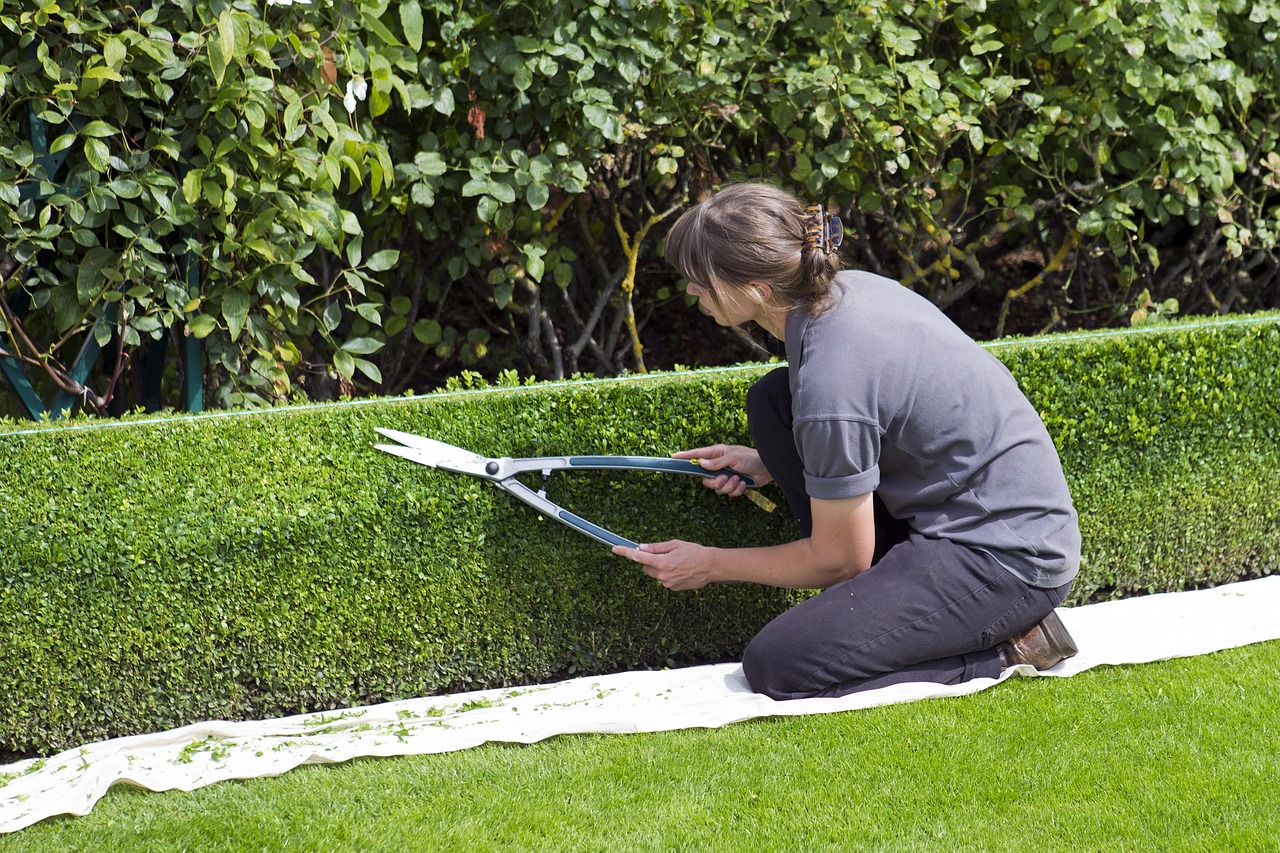
For decades, “good gardening” meant control. Sharp lines. Crisp edges. Perfect symmetry. Lawns like carpets. Box hedges trimmed to within a millimetre of their lives. It was about mastery over nature.
Now? Increasingly, it’s about partnership.
Rigid gardening isn’t disappearing overnight – especially in visitor attractions where impact, drama and maintenance control matter – but in private gardens it’s slowly being replaced by softer, more ecological thinking. And the humble hedge tells the whole story.
The Rise (and Limits) of Rigid Gardening
Formal gardens were designed to impress. Order equals status. Control equals sophistication. Think:
- Clipped box parterres
- Geometric lawns
- Topiary balls and cones
- Symmetrical borders
They photograph beautifully. They’re easy to understand visually. They signal “care.”
But here’s the problem: they often contribute very little to the living ecosystem.
A clipped box hedge is essentially a green wall. It provides structure, yes. But nectar? Minimal. Berries? None. Wildlife habitat? Very limited once tightly clipped.
And in a world facing biodiversity collapse, that trade-off is becoming harder to justify in domestic gardens.
Box Hedge: Beautiful, but Biologically Quiet
Box (Buxus sempervirens) has long been the darling of rigid gardeners.
Why it’s loved:
- Dense, fine foliage
- Takes hard clipping
- Creates razor-sharp edges
- Symbol of classic design
Why it’s struggling:
- Susceptible to box blight and box moth
- High maintenance
- Low biodiversity value when tightly clipped
When box is constantly trimmed, it rarely flowers. No flowers means no nectar. No nectar means fewer pollinators. It becomes architectural – not ecological.
Now, architecture has its place. Structure matters. But a whole garden built on that principle can become sterile. And more gardeners are starting to feel that.
The Soft Shift: Gardens That Give Back
Contrast that with softer hedging choices.
Yew (Taxus baccata)
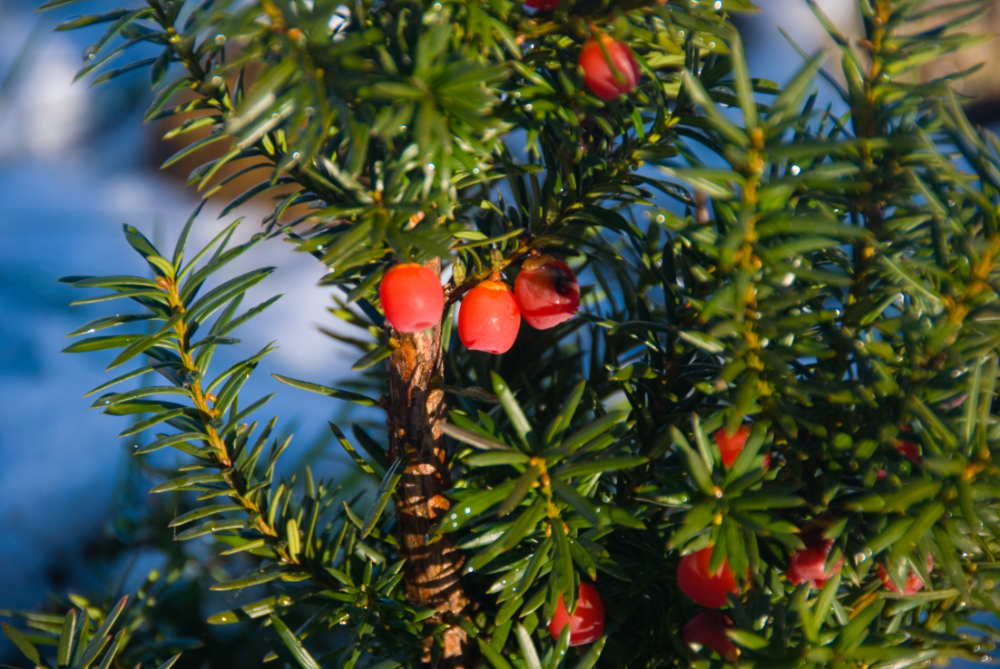
Still formal enough for structure. Still evergreen. Still dense.
But:
- Produces berries (arils) that birds rely on
- Provides nesting habitat
- Offers winter shelter
It’s structured – but alive.
Ivy (Hedera helix)
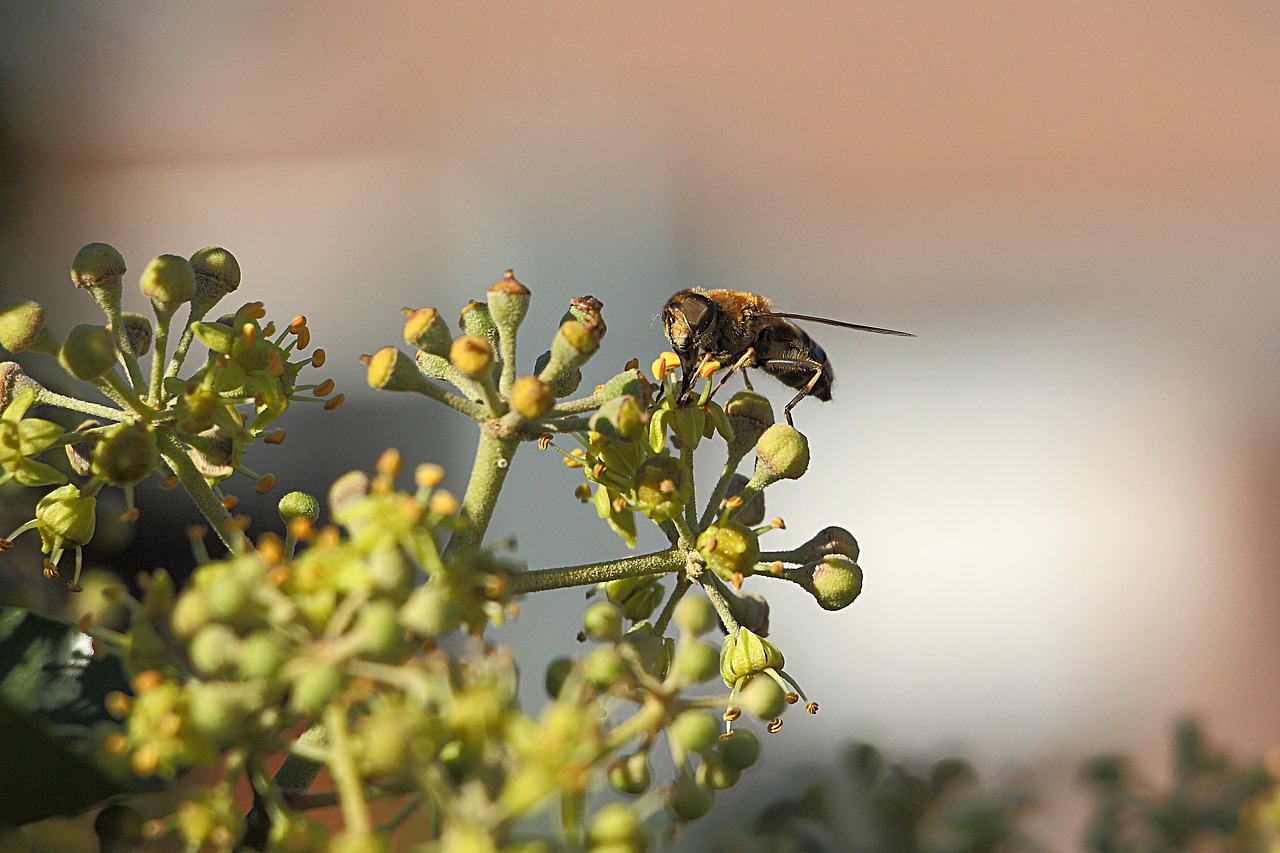
Often dismissed. Hugely underrated.
- Flowers in late autumn when little else does
- One of the most important nectar sources for bees before winter
- Produces winter berries for birds
- Provides shelter and nesting cover
Ivy gives back almost year-round. It’s not neat in the traditional sense – but it’s extraordinarily generous.
Native Mixed Hedging
Hawthorn. Blackthorn. Field maple. Hazel. Dog rose.
This is where gardening shifts from display to ecosystem.
- Spring blossom
- Summer insects
- Autumn berries
- Winter shelter
- Natural movement and seasonal change
A mixed hedge isn’t static. It evolves. It supports food chains. It breathes.
Why the Change Is Happening
This shift isn’t just aesthetic. It’s cultural.
- Biodiversity awareness
Gardeners are realising their plots are part of a national wildlife corridor. - Climate pressure
Hard, sterile planting struggles under extreme weather. Diverse planting is more resilient. - Maintenance fatigue
Perfect edges demand constant labour. Softer gardens age more gracefully. - Emotional connection
Watching birds feed, bees forage, and hedges change through the seasons is deeply satisfying.
People don’t just want control anymore. They want participation.
Why Visitor Attractions Are Different
Formal rigidity still dominates in:
- National Trust properties
- Palace gardens
- Historic estates
- Designed landscapes with heavy footfall
And rightly so.
These spaces:
- Need strong visual identity
- Must manage thousands of visitors
- Require predictable maintenance
- Often preserve historical authenticity
A Tudor knot garden isn’t there to feed pollinators first. It’s there to represent history.
But a suburban garden in Suffolk? That has different responsibilities.
The Bigger Question: What Is a Garden For?
Is it a statement of control? Or is it a living system?
Rigid gardening says: “Look what I can shape.”
Soft gardening says: “Look what we can support.”
Neither is inherently wrong. But one is more aligned with the environmental realities we face today.
And here’s the uncomfortable truth: a perfectly clipped box hedge may look refined – but it contributes very little compared to even a slightly looser, flowering alternative.
If every domestic garden shifted just one boundary from sterile to supportive, the cumulative ecological gain would be enormous.
The Smart Middle Ground
This doesn’t have to be chaos versus control.
The most compelling modern gardens use:
- Strong evergreen structure (yew, hornbeam, beech)
- Underplanting with wildlife-friendly species
- Looser cutting regimes
- Seasonal variation
Structure with generosity.
You can still have clean lines – just choose plants that repay the space they occupy.
Final Thought
Rigid gardening isn’t “wrong.” It’s just incomplete.
The future of domestic gardening isn’t about abandoning beauty. It’s about expanding the definition of it.
A hedge that feeds birds.
A boundary that flowers.
A garden that hums.
That’s not untidy. That’s alive.